
In short:
- Protein, whether from plants or animals, contributes to an increase in muscle mass and to the maintenance of normal bones, according to the EU register of claims.
- Reference benchmark: 0.83 g of protein per kilo of body weight per day for adults, including food, according to EFSA.
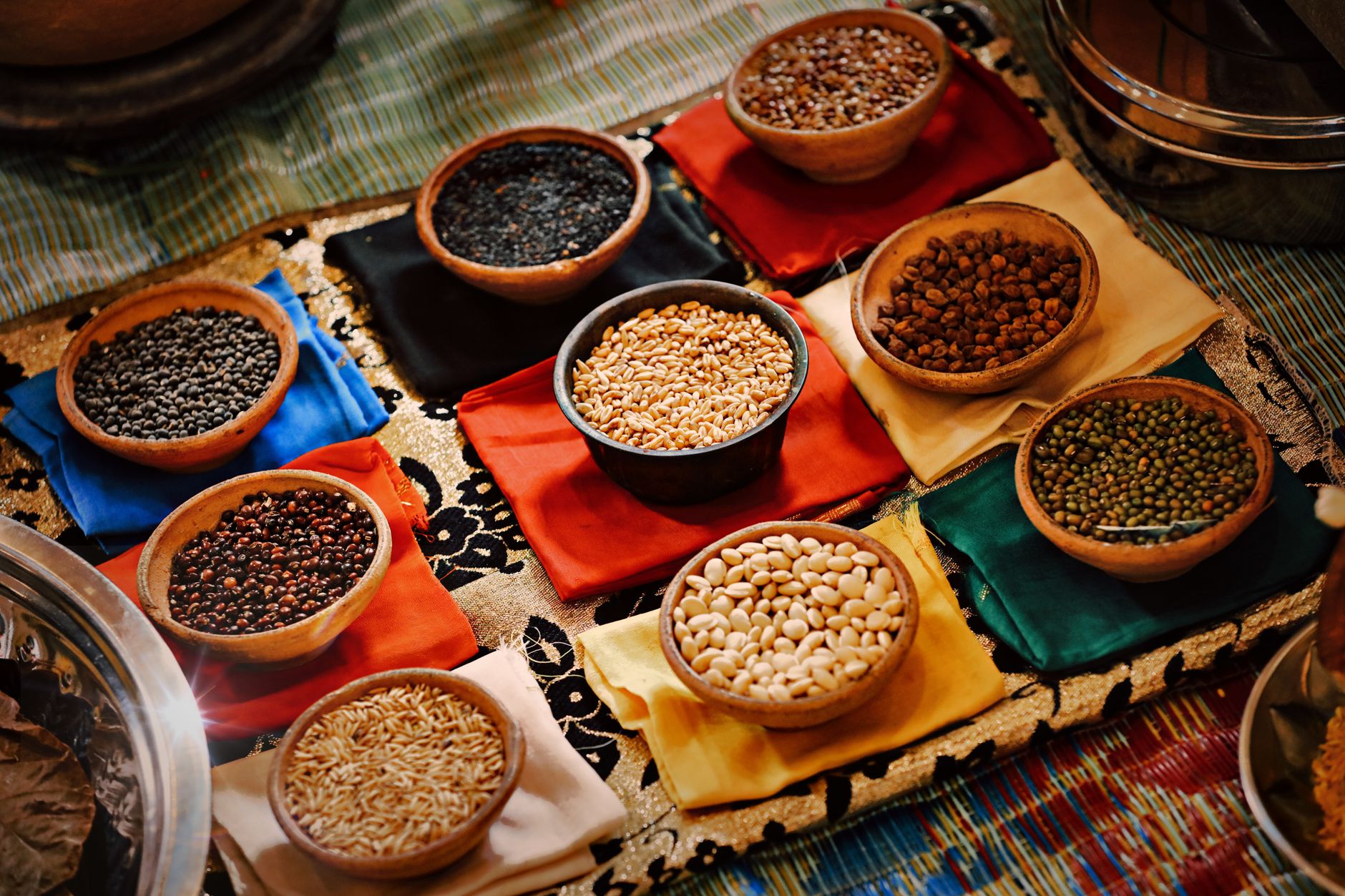
- Legumes, soy, whole grains, nuts and seeds are the best food sources of plant protein.
- Combining legumes and grains across the day, not necessarily at the same meal, covers all 9 essential amino acids.
Plant protein interests more and more people: vegetarians, vegans, athletes cutting back on dairy, or simply those curious to diversify their sources. What remains is to find out what is actually established about its role, how much is needed each day, and which foods provide the most. This fact sheet sets out what is established.
Plant protein at a glance
| Benchmark | Value |
|---|---|
| Nature | Protein provided by a plant: legumes, soy, grains, nuts, seeds |
| Authorised claims | Contributes to an increase in muscle mass; contributes to the maintenance of normal bones |
| Reference intake (EFSA, adult) | 0.83 g per kilo of body weight per day |
| Intake for athletes (ISSN) | 1.4 to 2.0 g per kilo per day |
| Amino acid profile | Often incomplete on its own (legumes low in sulphur-containing amino acids, grains low in lysine); complete for soy and quinoa |
| Best sources | Legumes, soy and derivatives, whole grains and pseudo-cereals, nuts and seeds |
What is plant protein, and what does the register of claims say
Plant protein is protein whose source is a plant: legumes, soy, grains, nuts or seeds, as opposed to animal protein (meat, fish, eggs, dairy).
In Europe, the EU register of nutrition and health claims1 recognises two claims for protein, with no distinction of origin: it contributes to an increase in muscle mass, and it contributes to the maintenance of normal bones. These claims apply to any food that is a source of protein, whether dairy, egg or plant, provided the food supplies a sufficient amount1.
Protein contributes to an increase in muscle mass, whatever its origin. What truly sets sources apart is their amino acid profile and the amount provided per serving.
How much protein do you need per day
The reference benchmark published by EFSA2 (population reference intake) is 0.83 g of protein per kilo of body weight per day for adults, including food. This figure corresponds to an average requirement of 0.66 g/kg/day, increased to cover the needs of 97.5% of the population.
| Profile | Reference intake |
|---|---|
| Healthy adult (EFSA) | 0.83 g per kilo per day |
| Athlete, most disciplines (ISSN) | 1.4 to 2.0 g per kilo per day |
| Pregnant or breastfeeding woman | Increased needs: ask a health professional |
| Older adult | Needs are often higher than in adulthood: ask a doctor or dietitian |
According to the European surveys cited by EFSA2, actual average adult intake is most often already at or above this 0.83 g/kg/day benchmark, including ordinary food intake.
Who should pay particular attention to their intake
- Vegetarians and vegans: a well-planned plant-based diet, with varied sources and sufficient energy intake, covers protein and essential amino acid needs, according to the Academy of Nutrition and Dietetics3. The risk mainly comes from a diet that is not varied enough or insufficient in calories.
- Older adults: appetite and digestive absorption often decrease with age, which can reduce protein intake even though needs do not fall. Medical or dietary advice helps adjust the diet.
- Kidney disease: some kidney diseases require limiting protein intake. No dietary change or supplement without medical advice in this case.
- Athletes on a calorie-restricted diet: reducing calories while maintaining sufficient protein intake helps preserve muscle mass; a health or sports professional can help adjust the amounts.
The best food sources of plant protein
| Family | Examples | What to know |
|---|---|---|
| Legumes | Lentils, chickpeas, beans (white, red, black), broad beans, split peas | Rich in lysine, low in sulphur-containing amino acids (methionine, cysteine) |
| Soy and derivatives | Tofu, tempeh, edamame, textured soy protein | Among the few plant proteins with a complete essential amino acid profile |
| Grains and pseudo-cereals | Quinoa, buckwheat, oats, brown rice, spelt | Quinoa is a pseudo-cereal with a complete profile; other grains tend to be low in lysine |
| Nuts and seeds | Almonds, walnuts, hazelnuts, pumpkin, chia and flax seeds | Protein provided alongside fats and fibre |
| Other | Spirulina, seitan (wheat gluten) | Spirulina is very concentrated in protein; seitan is not suitable if you are gluten intolerant |
For the exact content of each food, the ANSES Ciqual table4 gives the detailed nutritional composition of foods eaten in France.
Combining plant proteins well
Taken on its own, a legume is generally low in sulphur-containing amino acids (methionine, cysteine), while a grain is generally low in lysine. Combining the two families covers all 9 essential amino acids5, which explains the popularity of pairings such as lentils and rice, or chickpeas and couscous.
Soy and quinoa are exceptions: their amino acid profile is considered complete on its own, making them useful sources for anyone who does not eat animal products.
Plant proteins also exist as concentrated powders (pea, soy or rice isolate, or blends), used in sports nutrition as an alternative to whey or outside of weight training, as described in the guide on protein powder without weight training.
Plant protein and physical activity
Protein contributes to an increase in muscle mass, whether it comes from plants or animals1. The International Society of Sports Nutrition (ISSN) position stand on protein and exercise gives three useful benchmarks6:
- 1.4 to 2.0 g of protein per kilo of body weight per day for most athletes;
- servings of around 20 to 40 g, spread every 3 to 4 hours;
- 700 to 3,000 mg of leucine per serving, with the full set of essential amino acids.
A 12-week study published in 2015 by Babault and colleagues7 found no significant difference between pea protein and whey on biceps thickness gains, for an equivalent intake and training programme. What matters, for a plant source as much as for an animal one, is the total daily intake and a complete essential amino acid profile at each serving. To place protein among other supplements for exercise, the sports nutrition guide reviews the supplements that help, and the creatine fact sheet details another benchmark for weight training, the 3 g a day dose.
Plant protein versus animal protein: the differences
| Benchmark | Plant protein | Animal protein |
|---|---|---|
| Authorised claims | Identical: increase in muscle mass, maintenance of normal bones | Identical |
| Amino acid profile | Often incomplete on its own (except soy, quinoa) | Generally complete |
| Saturated fat | Generally low | Varies by source (higher for some meats) |
| Fibre | Present in legumes and whole grains | Absent |
| Amino acid digestibility | Varies by source and preparation | Generally high |
Both families provide useful protein: what matters is the variety of sources and the total daily intake, not origin alone.
Common beliefs about plant protein
| What it is credited with | What is established |
|---|---|
| “Plant protein is not enough to build muscle” | A 2015 study found no difference between pea protein and whey on muscle gains, for an equivalent intake and training programme |
| “Legumes and grains must be combined at the same meal” | It is enough to vary sources across the day, according to the Academy of Nutrition and Dietetics |
| “A plant-based diet never covers all 9 essential amino acids” | Soy and quinoa have a complete profile on their own; other sources complement each other across the day |
| “The more protein you eat, the more muscle you build” | Beyond covered needs, the excess is used as an energy source or stored; muscle gain also depends on training |
Precautions for use
- Soy and phytoestrogens: as a precaution, ANSES recommends that pregnant or breastfeeding women and young children limit foods and supplements rich in phytoestrogens, including soy8.
- Food allergies: soy is one of the allergens subject to mandatory labelling; always check the ingredient list if you are allergic.
- Kidney disease: protein restriction may be necessary; no change without medical advice.
- Variety of sources: a diet based on a single plant source increases the risk of not covering all essential amino acids.
Key points
- Protein contributes to an increase in muscle mass and to the maintenance of normal bones, whatever its origin.
- Reference benchmark: 0.83 g of protein per kilo of body weight per day for adults (EFSA), 1.4 to 2.0 g for most athletes (ISSN).
- Legumes, soy, whole grains and pseudo-cereals, nuts and seeds are the best food sources.
- Varying sources across the day is enough to cover all 9 essential amino acids, with no need to combine them at the same meal.
Frequently asked questions
What is plant protein?
It is protein provided by a plant: legumes (lentils, chickpeas, beans), soy and its derivatives, whole grains, nuts and seeds. Protein contributes to an increase in muscle mass and to the maintenance of normal bones, whatever its origin, according to the EU register of claims.
Is plant protein enough to build muscle?
Yes, provided your total daily intake and a complete essential amino acid profile are covered. A 2015 study found no difference between pea protein and whey on muscle mass gains, for an equivalent intake and training programme.
Do you need to combine legumes and grains at the same meal?
No. Varying your plant protein sources across the day is enough to cover all 9 essential amino acids, provided your energy needs are otherwise met, according to the Academy of Nutrition and Dietetics’ position on vegetarian diets.
How much protein do you need per day?
EFSA sets the reference intake at 0.83 g of protein per kilo of body weight per day for adults, including food. Athletes fall more in the range of 1.4 to 2.0 g per kilo per day, according to the International Society of Sports Nutrition’s position stand.
What are the best sources of plant protein?
Legumes (lentils, chickpeas, beans), soy and its derivatives (tofu, tempeh), whole grains and pseudo-cereals such as quinoa, as well as nuts and seeds, are the main food sources of plant protein.
Sources
European Commission, EU Register of nutrition and health claims made on foods ↑ ↑ ↑
Melina, Craig, Levin, « Position of the Academy of Nutrition and Dietetics: Vegetarian Diets », Journal of the Academy of Nutrition and Dietetics, 2016 ↑
FAO, « Dietary protein quality evaluation in human nutrition », 2013 ↑
PubMed, Jäger R. et al., « International Society of Sports Nutrition Position Stand: protein and exercise », J Int Soc Sports Nutr, 2017 ↑
PubMed, Babault N. et al., « Pea proteins oral supplementation promotes muscle thickness gains during resistance training: a double-blind, randomized, Placebo-controlled clinical trial vs. Whey protein », J Int Soc Sports Nutr, 2015 ↑
ANSES, « Phytoestrogens: questions and answers » (in French) ↑