
In short:
- Micronutrition means covering your needs for vitamins, minerals and trace elements, starting with your plate.
- The official guidelines are simple: at least 5 fruit and vegetables a day, pulses at least twice a week, a small handful of nuts a day, fish twice a week including one oily fish.
- Some combinations improve absorption (vitamin C and plant iron), others reduce it (tea or coffee with meals for iron).
- Supplements come last, for an identified need: vitamin D in winter, vitamin B12 for vegans, iron on medical advice.
Write down everything you eat for a week and you may be surprised: lots of protein and few pulses, for example, or supplements that mainly make up for a repetitive diet. That is why micronutrition is the right starting point for any thinking about supplements.
Official guidelines for a micronutrient-rich plate
The guidelines of the French National Nutrition and Health Programme1 and the recommendations of the World Health Organization2 are nothing spectacular, but they cover the essentials.
| Food group | Guideline | Key micronutrients |
|---|---|---|
| Fruit and vegetables | At least 5 portions a day | Vitamin C, folate, potassium, fibre |
| Pulses | At least twice a week | Iron, magnesium, folate, fibre |
| Nuts | A small handful a day, unsalted | Magnesium, vitamin E, unsaturated fatty acids |
| Whole grain starches | At least one a day | Magnesium, B vitamins, fibre |
| Fish | Twice a week, including one oily fish | Omega-3, vitamin D, iodine |
| Dairy products | 2 a day | Calcium, iodine |
The most micronutrient-dense foods
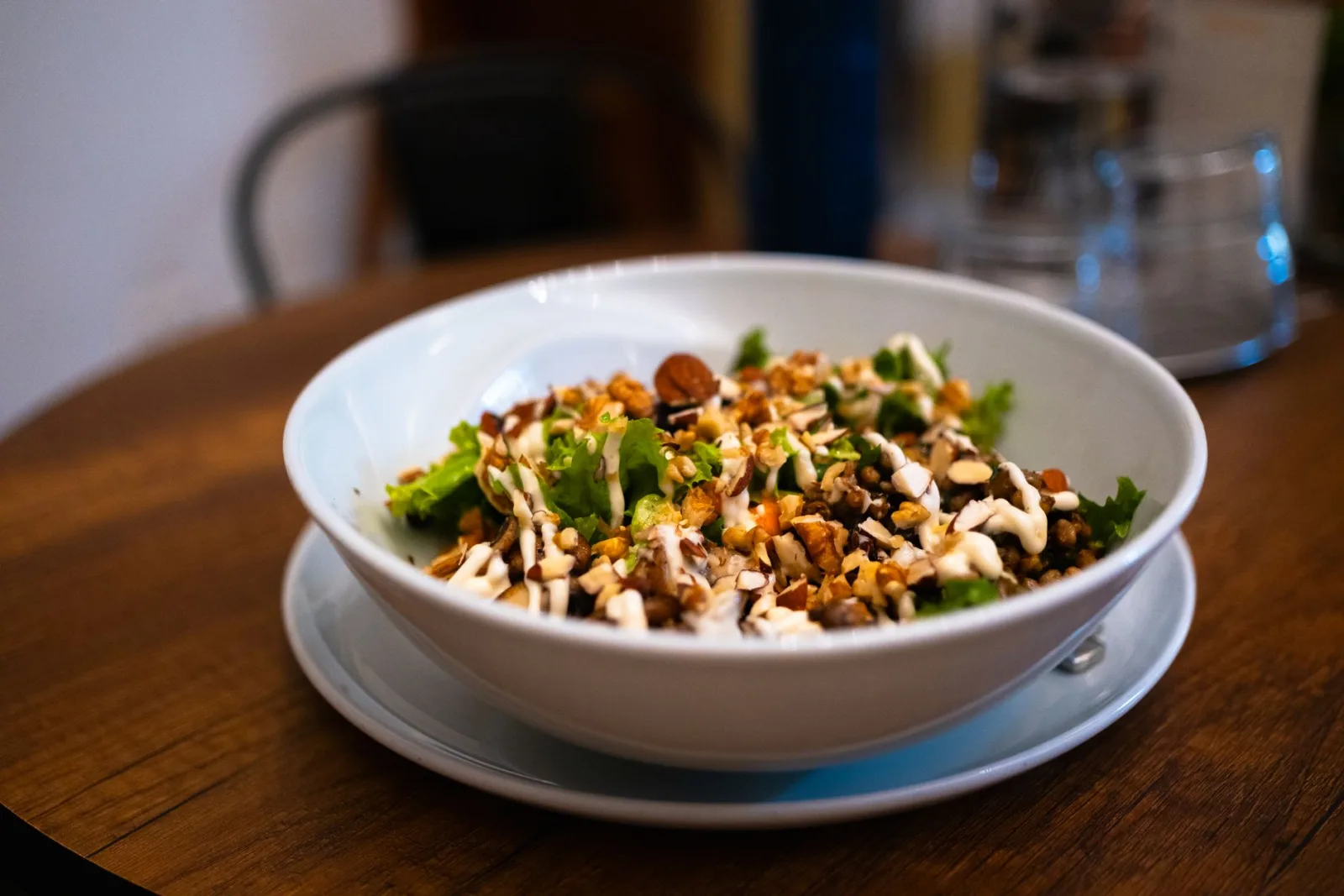
Some foods provide a lot of micronutrients for few calories: green vegetables, lentils and chickpeas, almonds and walnuts, sardines and mackerel, eggs and whole grains. To find the composition of a food, use the ANSES Ciqual table3.
Micronutrition: what are we talking about?
Macronutrients (carbohydrates, proteins, fats) provide energy. Micronutrients (vitamins, minerals, trace elements, some essential fatty acids) provide no energy, but they are essential to how the body works. We need them in small amounts, and food must supply them.
Micronutrition means looking at your diet from this angle: are you covering your needs for magnesium, vitamin C, iron, omega-3? The guide vitamins and minerals: roles and needs details the role of each nutrient.
Absorbing well: the combinations that matter
Eating a nutrient is not enough, you also need to absorb it. A few simple habits:
- Vitamin C and plant iron: vitamin C contributes to increased iron absorption, which is an authorised claim. A squeeze of lemon on lentils, or a piece of fruit at the end of the meal, helps.
- Tea, coffee and iron: drunk with meals, they reduce the absorption of non-haem iron. Have them between meals.
- Fat-soluble vitamins and fat: vitamins A, D, E and K are better absorbed with a little fat in the meal.
- Gentle cooking: vitamin C and some B vitamins are sensitive to heat and cooking water. Steaming reduces losses.
The most common deficiencies and how to spot them
A varied diet covers most needs. Some situations carry more risk:
- Vitamin D, especially in winter, because food provides little and the skin makes less of it. ANSES explains how to ensure an adequate vitamin D intake4.
- Iron, for women of childbearing age and some female endurance athletes.
- Magnesium, when the diet is poor in pulses, whole grains and nuts. The magnesium fact sheet details needs and sources.
- Iodine, when you eat little seafood and no iodised salt.
The signs of a shortfall (tiredness, cramps, low energy) are rarely specific. Only a health professional can confirm it, sometimes with a blood test. It is better not to self-diagnose from a list of symptoms.
Diets: points to watch
| Diet | Micronutrients to watch | Advice |
|---|---|---|
| Vegetarian | Iron, zinc, iodine, omega-3 | Pulses, nuts, seeds, iodised salt |
| Vegan | Vitamin B12 first, then iron, zinc, calcium, iodine, vitamin D | A vitamin B12 intake is essential, to be arranged with a health professional |
| Endurance athlete | Iron, magnesium, vitamin D | More abundant diet, regular blood tests |
| Calorie restriction | All micronutrients | Favour nutrient-dense foods, steer clear of overly restrictive diets |
When to supplement your diet
The order of priority is always the same:
- Fix your plate with the guidelines above.
- Identify a real need, ideally with a health professional.
- Target one nutrient rather than an “all-in-one” product.
- Choose a clear form and dose, without exceeding the safety thresholds.
To understand exactly what a supplement is and what the law allows it to promise, read the guide to food supplements, their definition and their rules. And if you do sport, the guide to sports nutrition supplements completes these pointers.
Frequently asked questions
What is micronutrition?
Micronutrition focuses on micronutrients, that is vitamins, minerals, trace elements and some fatty acids, which the body needs in small amounts. The idea is to cover these needs first through a varied diet, and only to supplement when necessary.
Can you cover all your needs through food?
For most nutrients and most people, yes, with a varied diet that follows the official guidelines. The most common exceptions are vitamin D in winter, vitamin B12 on a vegan diet, and sometimes iron for women. A health professional can help you take stock.
Which foods are richest in micronutrients?
Vegetables, fruit, pulses, nuts, whole grains, oily fish and eggs are among the foods densest in vitamins and minerals. The ANSES Ciqual table gives the composition of each food.
Does a vegetarian diet lead to deficiencies?
A well-planned vegetarian diet can cover needs, but it requires attention to iron, zinc, iodine and omega-3. A vegan diet also requires a vitamin B12 intake, as it is not found in plants.