
In short:
- A food supplement is meant to supplement a normal diet, never to replace it: that is its legal definition in Europe.
- In France it is declared to the authorities before going on sale, but it is not authorised like a medicine: responsibility for its safety lies with the manufacturer.
- Only health claims listed in the EU register may appear on the pack. A supplement does not cure, treat or prevent any disease.
- Good habits: identify a real need, read the whole label, stick to the dose and talk to a health professional if you are on medication or pregnant.
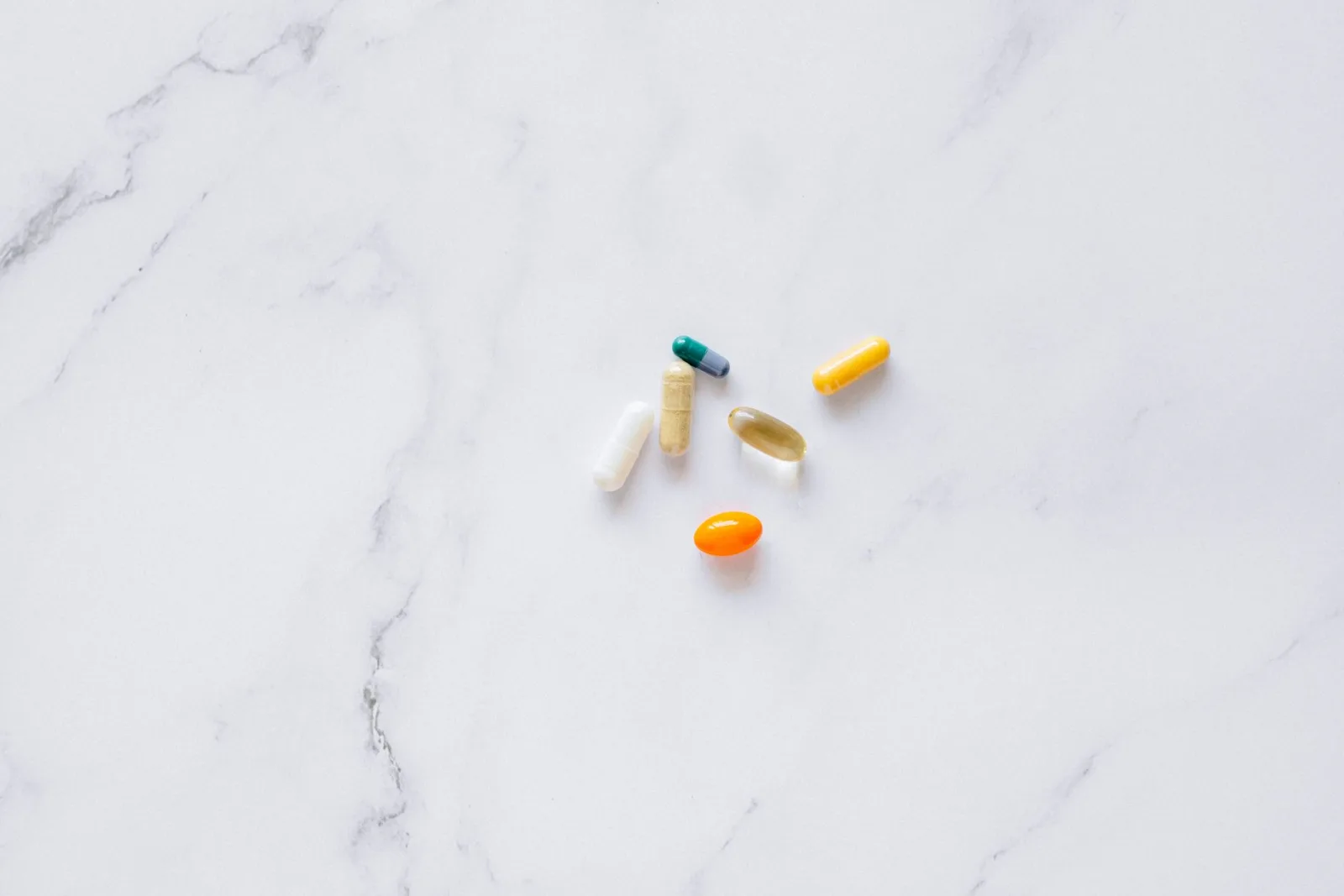
A food supplement is neither a miracle product nor a harmless one. Many people buy at random, based on a pack or a tip from the changing room. Yet it is a foodstuff governed by precise rules, which are worth knowing before you fill your cupboard. Here is the essential information to have from the start.
The main families of ingredients
| Family | Examples | What to know |
|---|---|---|
| Vitamins and minerals | Magnesium, vitamin D, zinc, iron | Authorised forms listed by European regulations |
| Fatty acids | Omega-3 (EPA, DHA) | Oil quality and freshness to watch |
| Substances with a nutritional or physiological purpose | Creatine, collagen, amino acids | Framework varies by substance |
| Plants and plant preparations | Valerian, lemon balm, rhodiola | List of authorised plants in France, watch out for interactions |
| Micro-organisms | Probiotics | No “probiotic” health claim authorised in Europe to date |
To go further on micronutrients, the guide vitamins and minerals: roles and needs details the role and needs of each one.
What a food supplement is (and is not)
The definition is set by European Directive 2002/46/EC1, transposed into French law by Decree No 2006-352. A food supplement is a foodstuff whose purpose is to supplement the normal diet. It is a concentrated source of nutrients or other substances with a nutritional or physiological effect, and it comes in dose form: capsules, tablets, lozenges, sachets of powder, ampoules.
Three ideas stand out from this definition:
- It is a food, not a medicine. It may not claim a therapeutic effect.
- It supplements, it does not replace. The label must state that it is not a substitute for a varied and balanced diet and a healthy lifestyle.
- It is dosed. The daily dose recommended by the manufacturer is mandatory on the pack.
What French and European regulations say
This is often where misunderstandings arise. A food supplement does not obtain a marketing authorisation like a medicine. In France, the manufacturer declares it to the authorities before selling it, and inspection services can then examine its composition and labelling. The safety of the product rests first and foremost with the manufacturer.
Health claims, a strict framework
Regulation (EC) No 1924/20062 governs everything a brand may say about the benefits of its product. Only claims listed in the EU register of claims3 are authorised, and each comes with conditions of use, including a minimum amount of nutrient.
In practice, a brand may write that “magnesium contributes to a reduction of tiredness and fatigue”, because this claim is authorised. It may not write that a product “cures insomnia” or “prevents colds”. As soon as you read a promise to cure, treat or prevent a disease, you know the label is out of bounds.
Mandatory label information
- The name “food supplement”.
- The name of the characteristic nutrients or substances, with their amount per daily dose.
- The recommended daily dose and a warning not to exceed it.
- A statement that the product is not a substitute for a varied diet.
- A warning to keep the product out of reach of young children.
When a food supplement really makes sense
The rule is simple: your plate first. The World Health Organization4 points out that a healthy diet relies on variety, fruit, vegetables, pulses and whole grains. A supplement does not make up for an unbalanced diet.
There are, however, situations where a supplement is justified, often after talking to a health professional:
- An intake that is hard to cover through food, such as vitamin D in the winter months, when skin synthesis is low. ANSES has a page on vitamin D5 and how to ensure an adequate intake.
- A particular diet, such as a vegan diet, which requires a vitamin B12 intake.
- Intensive sport, where some products such as creatine have a recognised effect. The guide to sports nutrition supplements covers the topic.
- A particular period of life (pregnancy, older age), always to be discussed with a doctor or midwife.
To find out whether your diet already covers your needs, start with the article on micronutrition and diet.
The risks to know before supplementing
A food supplement is not harmless. ANSES has set up a nutrivigilance6 scheme that collects adverse effects reported by health professionals. The most common risk situations are:
- Overdose, often through combination: a multivitamin, plus a magnesium enriched with vitamin B6, plus a fortified drink, and the intakes add up.
- Interactions with medicines, particularly with some plants.
- Sensitive groups: pregnant or breastfeeding women, children, people with chronic diseases.
- Products bought outside controlled channels, whose composition may not match the label.
How to choose a food supplement
Always follow the same order. The guide on how to choose a food supplement brand details each step.
- Start from a need, not a promotion. First ask yourself whether your diet already covers this nutrient.
- Check the claim against the register. If the promised effect is not in the EU register, move on.
- Read the form and the dose. “Magnesium” means nothing until you know whether it is oxide, citrate or bisglycinate, and how much elemental magnesium the dose provides.
- Track down unnecessary additives: colourings, sweeteners, bulking agents you can do without.
- Compare the price per daily dose, not the price of the tub.
Key figures to keep in mind
| Benchmark | Value | Source |
|---|---|---|
| Nutrient reference value for magnesium on labels | 375 mg a day | Regulation (EU) No 1169/2011 |
| Adequate intake of vitamin D for adults | 15 µg a day | ANSES |
| Minimum share of the reference value to claim a “source of” vitamin or mineral | 15% | Regulations (EC) No 1924/2006 and (EU) No 1169/2011 |
The place of supplements in a health routine
The supplements that deserve their place meet an identified need, with a clear form and dose. The rest comes from your plate, your sleep and physical activity: fewer supplements, but better ones.
For a specific ingredient, the detailed fact sheets help you choose: magnesium, creatine or collagen.
Frequently asked questions
What is a food supplement?
A food supplement is a foodstuff intended to supplement a normal diet. It provides a concentrated source of nutrients (vitamins, minerals) or other substances with a nutritional or physiological effect, in dose form: capsules, tablets, sachets of powder or ampoules. It is not a medicine, and it does not replace a varied and balanced diet.
Do you need a prescription to buy a food supplement?
No, food supplements are sold freely in pharmacies, shops and online. In France they must be declared to the authorities before being placed on the market, but they do not go through an authorisation process like medicines. Asking a doctor or pharmacist for advice is still useful, especially if you are on medication.
Can a food supplement be dangerous?
Yes, in some situations: overdose, combining several products containing the same nutrient, interaction with a medicine, pregnancy or chronic disease. In France, ANSES collects adverse effects through its nutrivigilance scheme. Stick to the stated daily dose and talk to a health professional if in doubt.
How can you tell whether a food supplement works?
The first marker is the health claim: in Europe, only claims listed in the EU register are authorised. Then look at whether the dose per serving matches the conditions of use of that claim, and whether the form of the ingredient is clearly stated on the label.